The Complete Guide to Fixing Pickleball Footwork for Faster Court Coverage
Quick Answer: Most court coverage problems in pickleball come from poor first-step direction and a missing or mistimed split-step, not from lack of speed — fixing the split-step timing alone often improves coverage more than any amount of general speed or agility training.
You’re not slow. You watch players who aren’t obviously faster than you cover the court with what looks like far less effort, arriving early instead of lunging late. The gap usually isn’t raw speed — it’s a handful of specific footwork patterns most self-taught players never learned.
Why does the split-step matter as much as coaches claim it does?
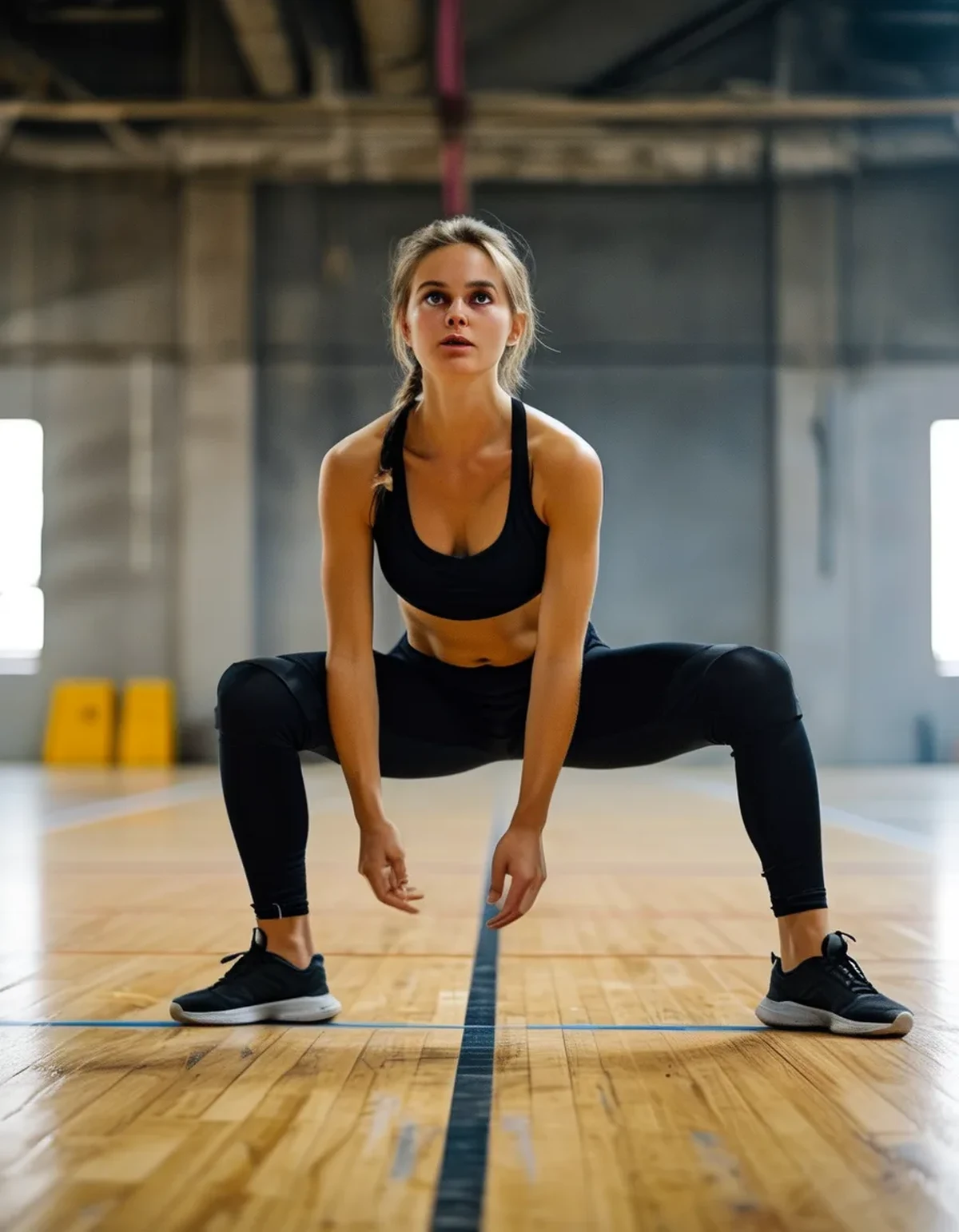
A split-step — a small hop that lands just as your opponent contacts the ball — puts your body in an athletic, ready position with both feet loaded and available to push off explosively in any direction. Without it, your first move toward the ball starts from a flat-footed, unloaded stance, which is measurably slower than a properly-timed split-step launch, even if your top-end speed is identical to a player who does split-step consistently.
The timing matters as much as the motion itself — a split-step needs to land right as (not before or well after) your opponent strikes the ball, so your body is already loaded exactly when you need to react to the ball’s actual direction. A split-step that lands too early leaves you flat-footed again by the time the ball actually arrives; one that lands too late doesn’t give you the loaded position at all.
What’s the most common first-step mistake that costs court coverage?
Many players’ first step is a small, tentative shuffle rather than a committed, direct step toward the ball’s actual trajectory — that hesitation costs valuable fractions of a second that compound over a match. A confident first step, even if occasionally slightly wrong in direction, generally covers more ground than a hesitant, “correct but late” first step, since a slightly wrong direction can usually be corrected mid-approach, while lost time from hesitation can’t be recovered.
Crossover steps — where one foot crosses in front of the other to cover lateral ground quickly — are often underused by self-taught players who default to a series of small shuffle steps instead. For covering meaningful lateral distance quickly, a single crossover step is frequently faster than multiple shuffle steps covering the same ground.
How does kitchen-line footwork differ from baseline footwork?
At the non-volley zone (kitchen) line, footwork priorities shift toward small, controlled adjustments rather than large explosive movements, since points at the kitchen often unfold in fast, close exchanges where overcommitting to a large step leaves you out of position for the next shot. Staying on the balls of your feet with a narrower, more controlled stance at the kitchen line supports the rapid small adjustments this part of the court demands.
Recovery footwork after a shot at the kitchen — returning to a centered, ready position rather than staying frozen in your follow-through stance — is a commonly overlooked piece. Many players hit a shot and pause admiring it (or simply forget to reset) rather than immediately returning to a balanced ready position for the next exchange, which costs coverage on the very next shot.
What footwork adjustments help specifically with the transition zone (mid-court)?
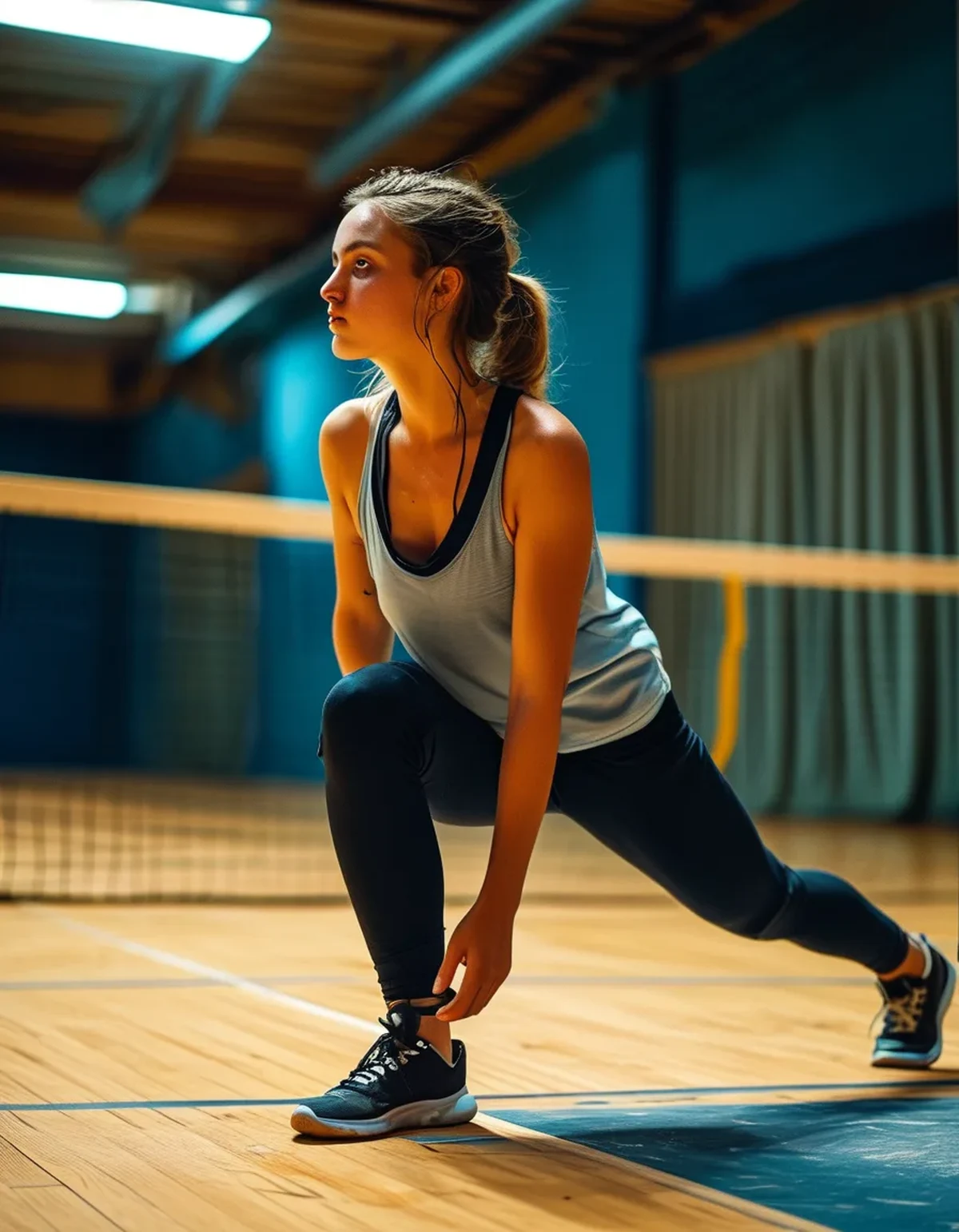
The transition zone — moving from baseline toward the kitchen line — requires a different footwork pattern than either pure baseline or pure kitchen play: generally larger, more purposeful strides while approaching, shifting to smaller, controlled steps as you get closer to the kitchen line to avoid arriving off-balance. Rushing this transition with large steps all the way to the line is a common cause of arriving at the kitchen already off-balance and unprepared for a fast exchange.
Timing the transition to specific shot opportunities — advancing after hitting a shot that limits your opponent’s offensive options, rather than advancing on a predictable schedule regardless of the point’s flow — also affects how much unforced footwork scrambling you’ll need once you arrive.
What drills actually build these footwork patterns effectively?
Shadow footwork drills without a ball — practicing split-step timing, crossover steps, and kitchen-line shuffles in isolation — let you build the movement pattern without the added complexity of tracking a ball simultaneously, which is often a faster way to groove correct footwork than trying to fix it live during play. Ladder drills, common in other racquet and court sports, translate reasonably well to pickleball-specific footwork patterns, particularly for quick, controlled steps needed at the kitchen line.
Practicing split-step timing specifically against a partner feeding shots (rather than in a full game) isolates that one skill without the pressure and unpredictability of live play, which tends to build more reliable timing faster than trying to absorb the timing correction during a competitive game.
How long does it typically take to see real improvement from footwork-focused practice?
Many players notice a difference within just a few sessions of deliberate split-step and first-step practice, since these are relatively contained, specific motor patterns rather than broad athletic overhauls — but the deeper automaticity (doing it without conscious thought during fast, competitive play) tends to take several weeks of consistent reinforcement to fully take hold. Patience with the process matters, since footwork that feels awkward or overly deliberate during drilling typically smooths out into a natural-feeling pattern with continued repetition.
FAQ: Pickleball Footwork Questions, Answered
Do I need to be naturally fast to fix my footwork issues?
No — most footwork problems addressed here are about timing and pattern, not raw speed, which means players without elite natural speed can still see real court coverage improvement through better split-step timing and first-step direction alone.
Should footwork drills be done before or separate from regular play sessions?
Both have value — isolated drilling (without the pressure of live points) builds the pattern more cleanly, while incorporating conscious footwork focus during actual points, even informally, helps the pattern transfer to real competitive situations.
Is poor footwork usually the main reason recreational players feel outmatched by more experienced opponents?
Often a significant factor, yes — many recreational players have solid shot mechanics but lose points specifically to being a half-step late, which experienced players often attribute more to footwork and anticipation than to shot-making skill differences alone.
TL;DR:
- A well-timed split-step, landing as your opponent contacts the ball, matters more than raw speed
- A confident, direct first step beats a hesitant “correct” one — lost hesitation time can’t be recovered
- Kitchen-line footwork needs small controlled steps; baseline and transition-zone footwork needs larger purposeful ones
- Shadow drills and partner-fed split-step practice build the pattern faster than trying to fix it live in a game
- Real improvement often starts within a few sessions, with full automaticity taking several weeks
Better court coverage in pickleball is rarely a speed problem waiting to be solved with more sprints — it’s a footwork pattern problem, and it responds fast to the right kind of deliberate practice.
See It in Motion
Seen here: UPF 50+ Pleated Running Skort with 26” Leggings & Pockets — shop similar styles on bubblelime.com
Keep Reading
This article is for general informational and styling purposes only. Fit, sizing, and product availability may vary.