The Complete Guide to Pickleball Paddle Grip Size (and Why Most Players Get It Wrong)
Quick Answer: The right pickleball paddle grip size is measured from the middle crease of your palm to the tip of your ring finger, and most players default to whatever grip size their paddle happened to come with rather than actually measuring — a mismatched grip size, even by a small fraction of an inch, can affect shot control, increase forearm strain, and contribute to overuse injuries like tennis elbow over time.
Grip size is one of the most overlooked specs in pickleball paddle selection, and getting it wrong has real, cumulative consequences beyond just comfort.
How do you actually measure your hand for the correct grip size?
Measure from the middle crease of your palm straight to the tip of your ring finger using a ruler — this measurement, typically falling somewhere between 4 and 4.5 inches for most adult players, corresponds to the standard small, medium, and large grip size categories most paddle manufacturers use. It’s worth measuring both hands, since there can be small differences, and using your dominant hand’s measurement as the primary reference. This is a five-minute check that most players simply skip, defaulting instead to whatever size a recommended or popular paddle model happens to include.
What actually goes wrong with a grip that’s too small for your hand?
A grip that’s too small forces your fingers to overlap or grip more tightly than necessary to maintain control, which increases forearm and wrist muscle strain over repeated shots. This excess gripping tension is one of the more overlooked contributing factors in pickleball-related tennis elbow and forearm overuse injuries, since players don’t always connect a grip sizing issue with the pain showing up weeks later.
What goes wrong with a grip that’s too large?
An oversized grip reduces your ability to snap the wrist for spin and quick directional shots, since your fingers can’t wrap around and engage the paddle as precisely. It also increases strain in a different way — the hand and forearm work harder to stabilize a grip that doesn’t sit securely in the palm, particularly during fast net exchanges requiring quick adjustments.

Can grip size actually be adjusted after purchase, or do you need the exact size from the start?
Overgrip tape can add a small amount to increase an undersized grip, typically by a fraction of an inch per wrap, giving some flexibility if you’re between sizes or need a slight adjustment. Reducing an oversized grip is more difficult and generally not recommended without professional modification, which is why erring slightly smaller (adjustable up) rather than larger (harder to adjust down) is the safer choice when you’re uncertain between two sizes.
Does grip size preference change based on playing style?
Players who rely more on spin, touch shots, and quick net exchanges often prefer a slightly smaller grip for more precise wrist action, while players who favor a flatter, more power-based game sometimes tolerate a slightly larger grip reasonably well. This is a secondary preference layered on top of the primary hand-measurement fit, not a replacement for it — style preference should fine-tune within your properly measured range, not override it entirely.
How does grip size interact with paddle weight and overall injury prevention?
A mismatched grip size compounds with paddle weight to increase overall arm strain — a heavier paddle with a poorly fitting grip requires more compensatory muscle tension than either factor would cause alone. Players experiencing recurring forearm or elbow discomfort should check grip fit alongside paddle weight as a combined first troubleshooting step, since addressing only one factor while ignoring the other often doesn’t fully resolve the underlying strain pattern.
FAQ: Pickleball Paddle Grip Size, Answered
Do grip size needs change for younger or smaller-handed players specifically?
Yes — youth and smaller-handed players typically need smaller grip sizes than standard adult defaults, and many paddle lines now offer sizing specifically for this.
How often should I recheck my grip size, or is it a one-time measurement?
Hand measurement itself doesn’t change, but it’s worth rechecking your fit if you switch paddle brands, since grip shape (not just circumference) varies between manufacturers.
Is grip size more important than paddle weight for overall comfort and injury prevention?
Both matter significantly and interact with each other, so neither should be treated as more important in isolation — checking both together gives the most complete picture.
TL;DR:
- Measure palm crease to ring fingertip to find your correct grip size range
- A too-small grip increases forearm strain and overuse injury risk from excess gripping tension
- A too-large grip reduces wrist snap for spin and requires more stabilizing effort
- Overgrip tape can adjust a slightly undersized grip; oversized grips are harder to correct
- Grip size and paddle weight compound together, so check both if you’re having arm discomfort
See It in Motion
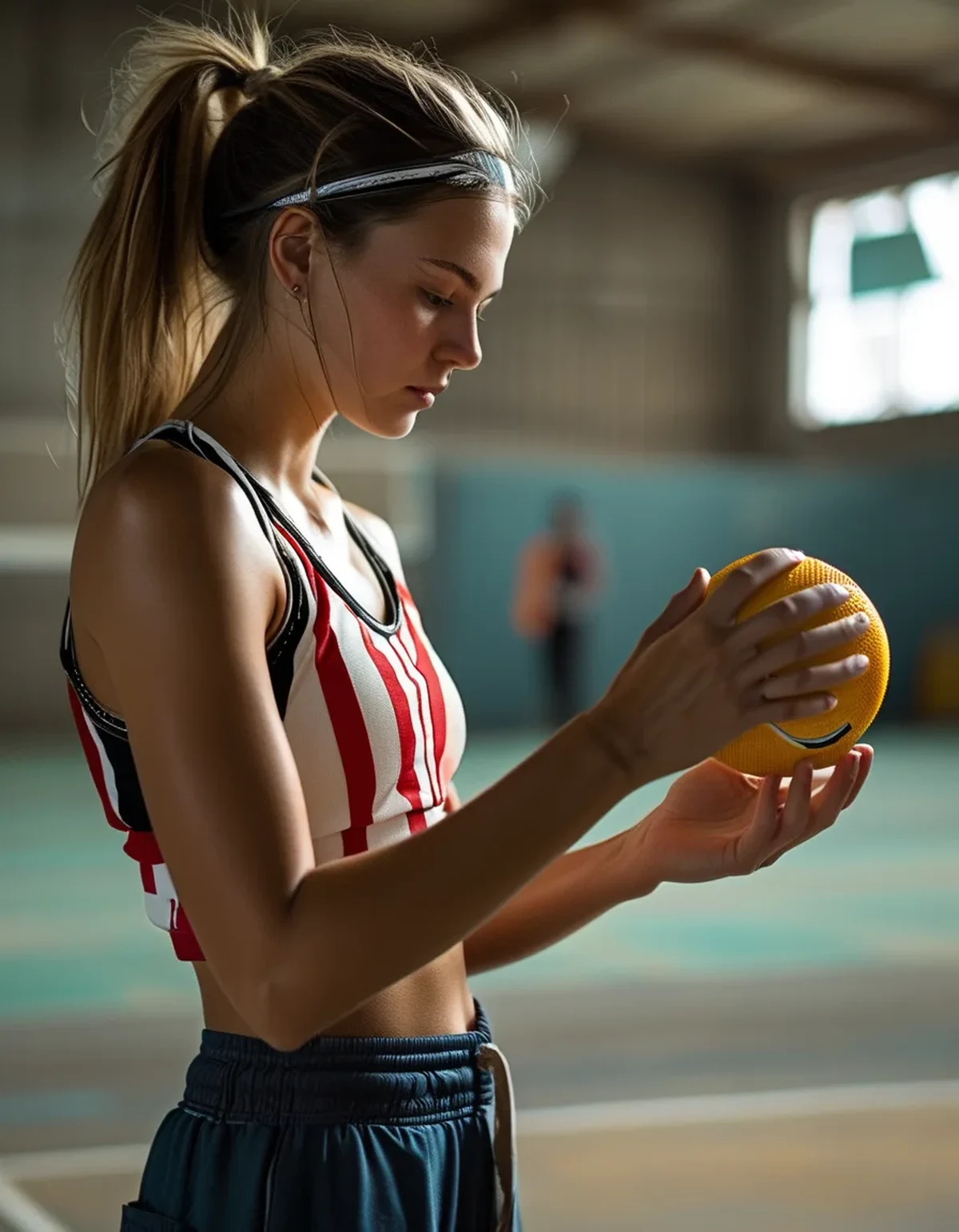
Seen here: UPF 50+ Pleated Running Skort with 26” Leggings & Pockets — shop similar styles on bubblelime.com
Keep Reading
This article is for general informational and styling purposes only. Fit, sizing, and product availability may vary.