Winning the Kitchen: Pickleball's Seven-Foot Chess Match
New pickleball players fall in love with the smash; experienced players quietly win everything at the kitchen line — the seven-foot no-volley zone where the game becomes chess with paddles. The dink game looks gentle and decides most points. Welcome to the real sport.

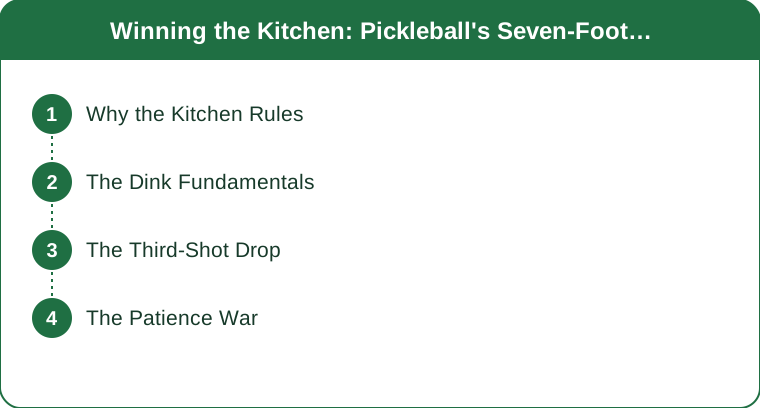
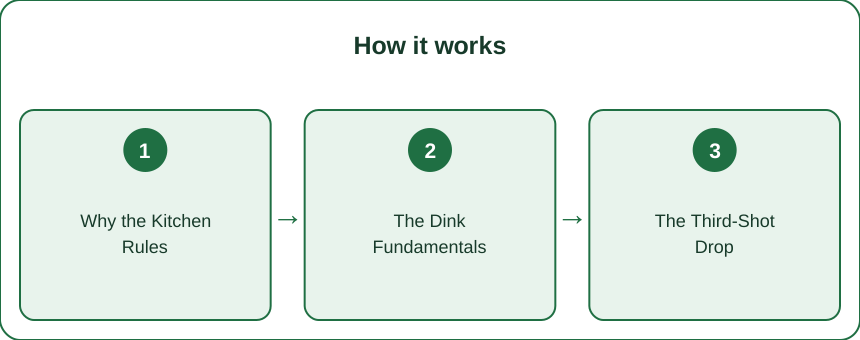
Why the Kitchen Rules
Points at rec level are lost (errors) more than won (winners) — and the kitchen’s soft game forces errors: dinks (soft shots landing in the zone) cannot be smashed, so the rally becomes a patience auction. The team that reaches the line first and stays calm there collects.
The Dink Fundamentals
Paddle out front, soft grip (the death grip sends dinks long — pressure three of ten), contact out in front, aim for the zone’s back half. Practice: dink rallies with a partner, scoring only errors. Boring drill, dominant results — the smash crowd never sees it coming.

The Third-Shot Drop
The sport’s famous problem: serving team must advance, but the opponents are already at the line. The answer — the third-shot drop: a soft arc landing in their kitchen, buying time to move up. It is the hardest easy-looking shot in the game; every session, ten attempts. Months of clank, then the unlock.
The Patience War
Kitchen rallies are psychological: the point goes to whoever attacks LAST — the premature smash off a low ball nets predictably. The discipline cue: attack only balls above net height; dink everything below. The gentle game, played stubbornly, beats the highlight reel weekly.
Reach the line, soften the grip, drop the third shot, attack only above the net. The smash gets the applause; the kitchen gets the wins — seven feet of chess deciding the whole match.
See It in Motion
Seen here: UPF 50+ Pleated Running Skort with 26” Leggings & Pockets — shop similar styles on bubblelime.com
Keep Reading
This article is for general informational and styling purposes only. Fit, sizing, and product availability may vary.